
Inside Maasai Culture: Traditions, Dress & Daily Life in Tanzania
By scop kariah — June 28, 2025 — Updated: July 4, 2025
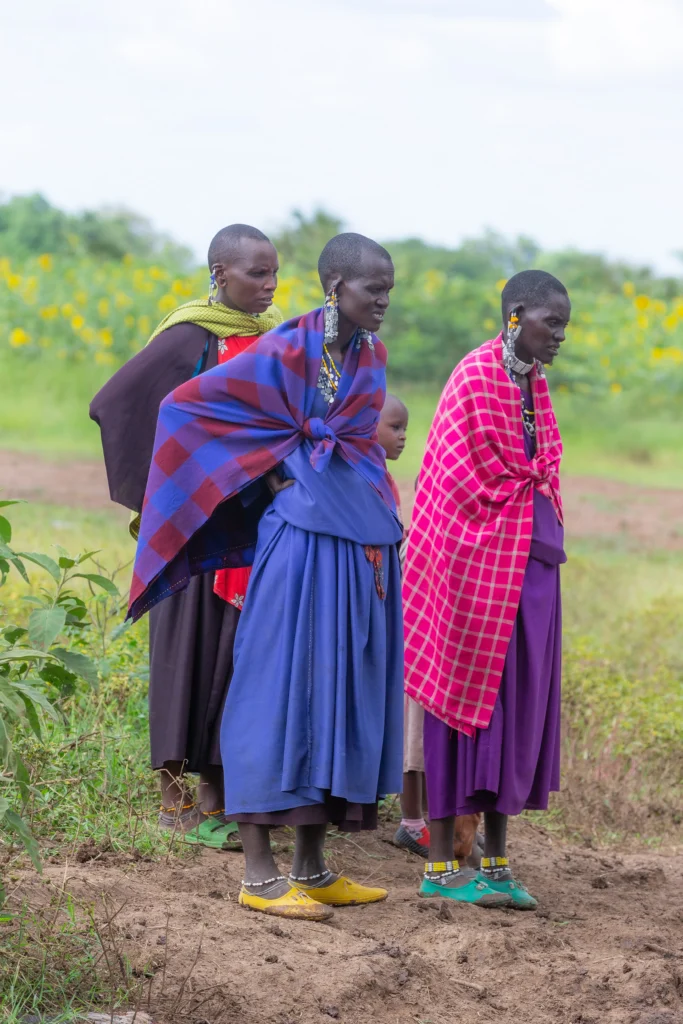
Table of Contents
-
Introduction: More Than a Stereotype
-
Who Are the Maasai?
-
Traditional Maasai Lifestyle
-
3.1 Cattle Culture and Nomadic Life
-
3.2 Family, Roles, and Community Structure
-
3.3 Rituals and Coming-of-Age Ceremonies
-
-
Dress, Jewelry, and Personal Identity
-
4.1 Shukas (Clothing) and Color Meaning
-
4.2 Beadwork and Gender Symbols
-
-
Modern Maasai Life: Change and Preservation
-
Cultural Visits: How to Interact Respectfully
-
How BeMySafari Supports Responsible Cultural Tourism
-
Final Words: Listen, Respect, Learn
1. Introduction: More Than a Stereotype
When people think of Tanzania, they often picture tall, proud figures dressed in bright red cloth, standing against a backdrop of open savannah — the Maasai. But while the image is iconic, the truth behind the Maasai culture is far deeper, richer, and more complex than a photo can show.
The Maasai are one of East Africa’s most well-known ethnic groups, but their traditions, values, and way of life are often misunderstood. They are not a tourist performance. They are a living, breathing community with a history rooted in resilience, harmony with nature, and strong social identity.
In this blog, we’ll take a respectful look inside Maasai culture — from their daily routines and spiritual beliefs to the meaning behind their colorful attire and the challenges they face in a changing world. As you prepare for your safari with BeMySafari, understanding the people of the land is just as important as admiring its wildlife.
2. Who Are the Maasai?
The Maasai are a semi-nomadic ethnic group found primarily in northern Tanzania and southern Kenya. With a population of over a million, they are known for their rich oral traditions, distinctive dress, and deep cultural pride. But their story goes far beyond visual impressions.
🌍 Origins & Language
-
The Maasai trace their ancestry to the Nile Valley, migrating south through Sudan into Kenya and Tanzania around the 15th century.
-
They speak Maa, a Nilotic language, though most also understand Swahili and English, especially in tourism regions.
🐄 Cattle = Life
For the Maasai, cattle are more than livestock — they are a source of food, currency, pride, and spiritual identity. Every aspect of life revolves around the herd. Cattle are used for dowries, ceremonies, and daily sustenance (milk, blood, and occasionally meat).
Saying: “A man without cattle is like a tree without roots.”
🛖 Where They Live
Maasai live in traditional enkangs (homesteads) — small, circular villages made from mud, sticks, and cow dung. Each enkang is shared by an extended family and enclosed to protect against predators.
Their resilience, adaptability, and strong sense of identity have allowed the Maasai to maintain their customs despite external pressures, globalization, and modern change.
3. Traditional Maasai Lifestyle
The Maasai live in close connection with nature, maintaining a rhythm shaped by the seasons, the needs of their cattle, and deep-rooted customs. Their lifestyle is guided by structure, community, and ancestral knowledge.
3.1 Cattle Culture and Nomadic Life
Cattle are the center of Maasai life — economically, spiritually, and socially.
-
Herding: Boys start learning to herd as young as age five. Families move seasonally in search of fresh grazing land and water.
-
Diet: Primarily consists of milk, blood (drawn from cattle without harm), and meat on special occasions.
-
Wealth: Cattle quantity defines a man’s wealth and social status.
3.2 Family, Roles, and Community Structure
The Maasai are organized into age sets — structured groups that progress through life stages together.
-
Children: Learn responsibilities early — tending goats, gathering firewood.
-
Warriors (Morans): Young men undergo initiation and serve as protectors of the community.
-
Elders: Make important decisions, resolve disputes, and oversee rituals.
-
Women: Care for children, manage the home (enkaji), and create beadwork that holds cultural meaning.
Marriage, birth, and coming-of-age are marked by elaborate ceremonies involving song, dance, and feasting.
3.3 Rituals and Coming-of-Age Ceremonies
-
Male Initiation: Circumcision marks the transition from boy to Moran (warrior), followed by a period of training and isolation.
-
Female Ceremonies: Traditions are evolving, with growing advocacy for education and health over harmful practices.
-
Eunoto: Marks the end of warriorhood and the transition into elder life — a celebration of wisdom and service.
Each ritual preserves community bonds and ensures the continuation of identity — a living heritage passed from generation to generation.
4. Dress, Jewelry, and Personal Identity
The Maasai are instantly recognizable by their striking clothing and intricate beadwork — but every color, accessory, and style has deep cultural significance. To the Maasai, dress is more than appearance; it’s a language of identity, status, and tradition.
🟥 4.1 Shukas (Clothing) and Color Meaning
The shuka is the traditional cloth worn by both men and women, typically wrapped around the body like a robe.
-
Red: The most iconic Maasai color — represents bravery, strength, and protection against danger.
-
Blue: Symbolizes the sky and rain — essential for life and cattle.
-
Green: Stands for health and the land.
-
Black: Associated with unity and solidarity.
-
White: Peace and purity, often worn during ceremonies.
-
Yellow & Orange: Hospitality and warmth.
Most men wear red or blue shukas, while women often wear layers of colorful fabric, especially during celebrations.
💎 4.2 Beadwork and Gender Symbols
Maasai beadwork is world-famous — and each piece tells a story.
-
Women create and wear elaborate necklaces, earrings, and headbands.
-
Beads indicate age, marital status, social role, and even number of children.
-
Colors and patterns are chosen purposefully — for blessings, for love, or for protection.
Beadwork is a key part of a woman’s identity and a source of both expression and income in modern times.
Fun Fact: On special occasions, you might see Maasai men dressed in lion manes, ostrich feathers, or white ochre body paint — especially during warrior or elder ceremonies.
5. Modern Maasai Life: Change and Preservation
While the Maasai hold tight to their cultural roots, they are also navigating the realities of a changing world. From climate shifts to tourism, education to land rights — the community stands at a unique crossroads between tradition and modernity.
🌍 Adapting Without Losing Identity
Many Maasai now live near towns, send their children to school, and work in conservation or tourism. Some wear Western clothing in urban settings but return to traditional dress at home or during ceremonies.
-
Education: Increasingly valued, especially for girls — though balancing it with traditional roles is a challenge.
-
Mobile Phones & Solar Power: Now common in villages — used for herding, communication, and banking.
-
Healthcare Access: Improving, but still limited in remote areas.
🛡️ Cultural Preservation Efforts
Elders and leaders are working to protect Maasai language, land, and customs — even as lifestyles shift.
-
Community-led tourism helps support cultural centers and schools.
-
Younger generations are becoming cultural ambassadors, blending education with tradition.
-
Sustainable herding practices are being introduced to respond to climate and land pressure.
The Maasai are not frozen in time. They are living, evolving, and teaching the world that tradition can coexist with progress — if it’s respected.
6. Cultural Visits: How to Interact Respectfully
Visiting a Maasai village can be one of the most enriching parts of your safari — but only if it’s approached with humility, openness, and respect. At BeMySafari, we believe cultural tourism should benefit both the traveler and the community.
🤝 Be a Guest, Not a Spectator
-
Ask permission before taking photos. It’s polite and honors personal space.
-
Engage in conversation, not just observation. Most Maasai love to share stories, traditions, and laughter.
-
Participate if invited — dance, bead-making, or even milking a cow — it builds mutual connection.
🎁 Bring Respect, Not Handouts
-
Avoid giving gifts or money directly to individuals. It can disrupt local dynamics.
-
If you wish to contribute, ask your guide how to support a community fund, school, or women’s beadwork group.
-
Buy crafts or beadwork directly from the artisans — it supports families and preserves tradition.
👣 Follow Cultural Etiquette
-
Dress modestly — especially for women. Cover shoulders and knees when visiting villages.
-
Listen more than you speak — curiosity is welcome, but judgment is not.
-
Always walk into homes with guidance from your host — spaces like kitchens and livestock pens are sacred.
Tip: A good cultural visit doesn’t feel like a tour — it feels like a conversation between two worlds.
7. How BeMySafari Supports Responsible Cultural Tourism
At BeMySafari, we believe that cultural experiences should honor, not exploit. That’s why we work hand-in-hand with local Maasai communities to ensure that every village visit, performance, or conversation benefits the people who make it possible.
🤝 Community Partnerships, Not Performances
We collaborate directly with Maasai elders, women’s groups, and youth leaders to design visits that are meaningful, transparent, and community-approved. No staged shows. No tourist traps. Just real moments with real people — on their terms.
💰 Fair Compensation & Shared Benefits
-
Villages are paid fairly for every visit.
-
Profits from cultural tourism are reinvested in education, clean water, healthcare, and cultural preservation.
-
Guests are encouraged to support beadwork co-ops and community schools instead of handing out money directly.
📚 Education Through Connection
We brief every guest before cultural visits to ensure respect, understanding, and curiosity. Our goal is not to “see” the Maasai — it’s to learn from them, support them, and share space with care.
By choosing BeMySafari, you’re not only exploring Tanzania — you’re helping keep its people, cultures, and stories alive for generations to come.
8. Final Words: Listen, Respect, Learn
The Maasai are not a performance for tourists — they are a living, evolving people with deep roots, enduring values, and a future they are shaping on their own terms.
As you journey through Tanzania, remember: a true safari isn’t just about spotting wildlife — it’s about connecting with the land and the people who have lived in harmony with it for centuries.
At BeMySafari, we don’t just visit Maasai communities — we build relationships, create understanding, and ensure every guest walks away with more than just a photo.
So when you meet a Maasai warrior, greet him with respect.
When you admire a beaded necklace, ask about the hands that made it.
When you enter a village, enter it as a guest — not a viewer.
Travel deeper. Listen longer. Learn something that can’t be found in any guidebook.
Because the heart of Tanzania doesn’t just beat in the wild —
it beats in its people.



