
How to Cook in the Bush: The Art of Safari-Style Dining
By scop kariah — June 28, 2025 — Updated: July 4, 2025
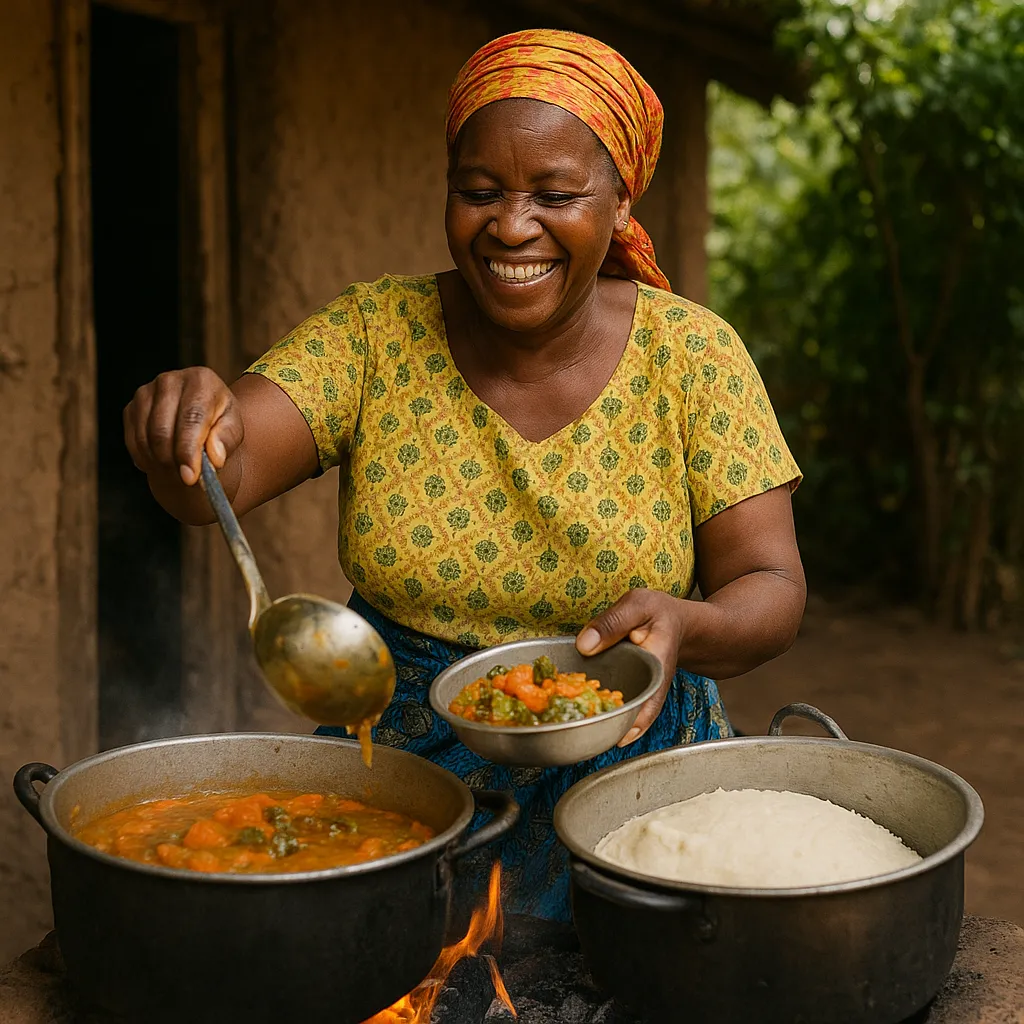
Table of Contents
-
Introduction: Where the Wild Meets the Flame
-
What is Bush Cooking?
-
Traditional Tanzanian Dishes Made on Safari
-
3.1 Nyama Choma (Grilled Meat)
-
3.2 Ugali with Sukuma Wiki
-
3.3 Swahili Coconut Fish Curry
-
-
How Safari Chefs Cook in Remote Camps
-
Essential Tools of the Bush Kitchen
-
Guest Experiences: Dining Under the Stars
-
How BeMySafari Adds Culinary Flavor to Your Journey
-
Final Words: Eat Local, Cook Wild, Travel Deeper
1. Introduction: Where the Wild Meets the Flame
A safari isn’t just about what you see — it’s also about what you smell, taste, and share around the fire. In the middle of the Tanzanian wilderness, where wildlife roams and the stars blaze above, meals take on new meaning. This is the heart of bush cooking — a tradition that transforms simple ingredients into unforgettable moments.
There are no stainless steel kitchens, no fancy appliances — just open flames, cast-iron pots, sharp knives, and expert hands. Whether it’s meat sizzling on the grill, fresh chapati flipped over coals, or coconut stew simmering in a pot, safari-style dining is about bringing flavor to the wild.
In this blog, you’ll discover how meals are made on safari, what traditional Tanzanian dishes are often served, and how BeMySafari turns every meal into an experience worth remembering.
2. What is Bush Cooking?
Bush cooking is the art of preparing full, flavorful meals in the wild — far from modern kitchens, supermarkets, or even electricity. It’s a blend of creativity, tradition, and resourcefulness, done with minimal tools and maximum soul.
🔥 It’s more than survival — it’s ceremony.
In the bush, food is not just about nourishment. It’s about gathering around a fire, storytelling, sharing culture, and appreciating the land that provides. Every dish tells a story — from tribal flavors to safari chef ingenuity.
🍽️ How it works on safari:
-
Meals are often cooked on open fire pits, charcoal stoves, or traditional jikos (portable stoves).
-
Ingredients are locally sourced from nearby villages or carried in from the start of the journey.
-
Menus blend Swahili, tribal, and modern influences, shaped by the skills of the camp chef and the region’s ingredients.
Whether it’s a simple grilled meat feast or a three-course meal under the stars, bush cooking proves that you don’t need four walls to create a five-star memory.
3. Traditional Tanzanian Dishes Made on Safari
In the heart of the bush, BeMySafari chefs don’t just serve food — they serve culture on a plate. Our bush menus often feature Tanzanian staples that are flavorful, hearty, and easy to cook over an open fire.
🍖 3.1 Nyama Choma (Grilled Meat)
One of Tanzania’s most beloved dishes, nyama choma — which means “roasted meat” — is often made with goat, beef, or chicken.
Safari version:
-
Marinated in salt, garlic, and local spices
-
Grilled slowly over charcoal
-
Served with kachumbari (a fresh tomato-onion salad) and sometimes ugali or fries
Perfect for: Evenings by the fire with music, stories, and local beer.
🍚 3.2 Ugali with Sukuma Wiki
Ugali is a maize flour staple — thick, starchy, and filling. It’s traditionally eaten with your hands, used to scoop up stews or vegetables.
Sukuma Wiki (“stretch the week”) is sautéed collard greens cooked with onion, tomato, and a touch of oil.
Safari version:
-
Made fresh in cast-iron pots
-
Served with beef stew, beans, or grilled meat
-
A vegetarian favorite in the bush
🐟 3.3 Swahili Coconut Fish Curry
Along the coast and in safari camps with good storage, you might find this delicious coastal dish.
Safari version:
-
Fish simmered with tomatoes, onions, and coconut milk
-
Flavored with garlic, ginger, curry powder
-
Served with rice or chapati
Bonus: Coconuts are often cracked and grated on-site for the freshest taste.
4. How Safari Chefs Cook in Remote Camps
In the middle of Tanzania’s wild terrain, safari chefs create unforgettable meals without the luxury of modern kitchens. Their secret? Skill, simplicity, and fire.
🔥 Cooking Methods in the Bush
-
Open Fire: The most common method. Food is grilled on metal racks or simmered in pots directly over wood or charcoal flames.
-
Charcoal Jikos: Portable, fuel-efficient stoves used for frying, boiling, and heating.
-
Dutch Ovens & Cast Iron Pots: Ideal for slow-cooked stews, rice, and baking — even bread and cakes.
🧂 How Ingredients Are Managed
-
Ingredients are carefully planned and packed at the start of the safari.
-
Fresh produce is sourced from local markets along the way.
-
Meats and dairy are stored in portable coolers or fridges powered by solar or gas.
-
Spices and condiments are kept simple — garlic, ginger, salt, curry powder, and chili are common.
👨🍳 The Chef’s Challenge
No running water. Limited electricity. Wild animals nearby. Yet these chefs deliver 2–3 warm meals a day — often plated beautifully under a canopy of stars.
Tip: Ask to visit the bush kitchen during your stay. Watching a chef cook a full meal with firewood and iron pots is part of the experience.
5. Essential Tools of the Bush Kitchen
Bush kitchens are compact, efficient, and filled with just the essentials — each tool chosen for its durability and versatility in the wild. Here’s what you’ll often find behind the scenes of your safari meals:
🔪 1. Heavy-Duty Chef’s Knife
Used for everything — chopping vegetables, filleting fish, slicing meat. It’s the most important tool in any safari chef’s kit.
🍳 2. Cast Iron Pots & Dutch Ovens
Perfect for cooking over open flames. These retain heat well and can be used for soups, stews, rice, and even baking.
🔥 3. Charcoal Jiko (Portable Stove)
A compact metal stove that runs on charcoal or firewood — great for frying, boiling, and slow cooking.
🍴 4. Grilling Rack
Essential for making nyama choma and grilling vegetables over an open fire.
🥄 5. Wooden Spoons & Stirring Paddles
Bush cooking means strong stirring — wooden paddles are used to make thick ugali or stir dense stews.
🪣 6. Water Buckets & Washing Basins
With no running water in the wild, chefs rely on buckets to wash vegetables, dishes, and their hands between prep stages.
🧂 7. Spice Tins
Small metal or wooden containers filled with essentials like curry powder, salt, black pepper, turmeric, and garlic — the heart of Tanzanian flavor.
Tip: Many of these tools are handmade or locally sourced — a blend of tradition and function that reflects the spirit of bush life.
6. Guest Experiences: Dining Under the Stars
There’s something unforgettable about enjoying a meal in the middle of the wild, with no walls, no noise — just flickering lanterns, warm food, and the distant call of a hyena. Bush dining isn’t just about the meal — it’s about the moment.
🌌 The Setting
Tables set under acacia trees. Lanterns lining the pathway. A fire crackling at the center of camp.
The sky opens wide above you — full of stars, full of silence.
🪑 How It Feels
-
No two dinners are alike — one night it’s grilled nyama choma with red wine, another it’s coconut curry with fresh chapati.
-
You’re surrounded by fellow travelers and warm staff. Conversation flows. Wildlife occasionally strolls past the edge of the lights.
-
The chef might come out to explain what’s being served — or share how it was made on the fire.
🗣️ What Guests Say:
“I never thought I’d have one of the best meals of my life in the middle of the Serengeti.”
“It was magical. We laughed, ate, and stared up at the stars like we hadn’t in years.”
Tip: Many BeMySafari trips include at least one outdoor dining experience. If it’s not listed — ask us to add it!
7. How BeMySafari Adds Culinary Flavor to Your Journey
At BeMySafari, food is more than just fuel — it’s a way to connect with the culture, the land, and the moment. Whether you’re in a luxury tented camp or a remote mobile safari setup, we ensure your meals are flavorful, fresh, and unforgettable.
🍲 Locally Inspired Menus
We infuse our bush meals with authentic Tanzanian flavors — from grilled goat skewers to coconut vegetable curry. Our chefs love introducing guests to traditional recipes in ways that are accessible, healthy, and delicious.
👨🍳 Expert Safari Chefs
Every trip includes dedicated chefs who’ve mastered the art of cooking in the wild. They can handle dietary restrictions, allergies, and special requests — with style.
🌿 Sustainable & Fresh Ingredients
We prioritize locally grown produce and meats, sourced ethically from villages and markets. No wasteful packaging, no unnecessary imports — just real food, prepared with care.
🌟 Signature BeMySafari Touches
-
Bush breakfast setups near watering holes
-
Surprise sunset drinks with light bites
-
Maasai-style barbecue nights with dance and music
-
Fire-roasted chapati and storytelling after dinner
You’re not just eating in the wild — you’re dining in it.
8. Final Words: Eat Local, Cook Wild, Travel Deeper
In the Tanzanian bush, a meal is more than a pause between game drives — it’s a memory, a tradition, and a celebration of the land. From crackling fires to cast iron pots, from the rhythm of chopping vegetables to the sizzle of nyama choma, bush cooking brings soul to the safari experience.
At BeMySafari, we believe great food connects people — to each other, to the culture, and to the wild places we explore together. Whether it’s your first bite of freshly made ugali or a peaceful breakfast with giraffes grazing in the distance, we want every meal to stay with you long after your journey ends.
So come hungry — not just for food, but for stories, for warmth, and for a deeper connection to Africa.
Because when you travel with BeMySafari, you don’t just see Tanzania — you taste it.



