
Vegetarian & Special Diets on Safari: What to Expect in Tanzania
By scop kariah — July 4, 2025 — Updated: July 4, 2025
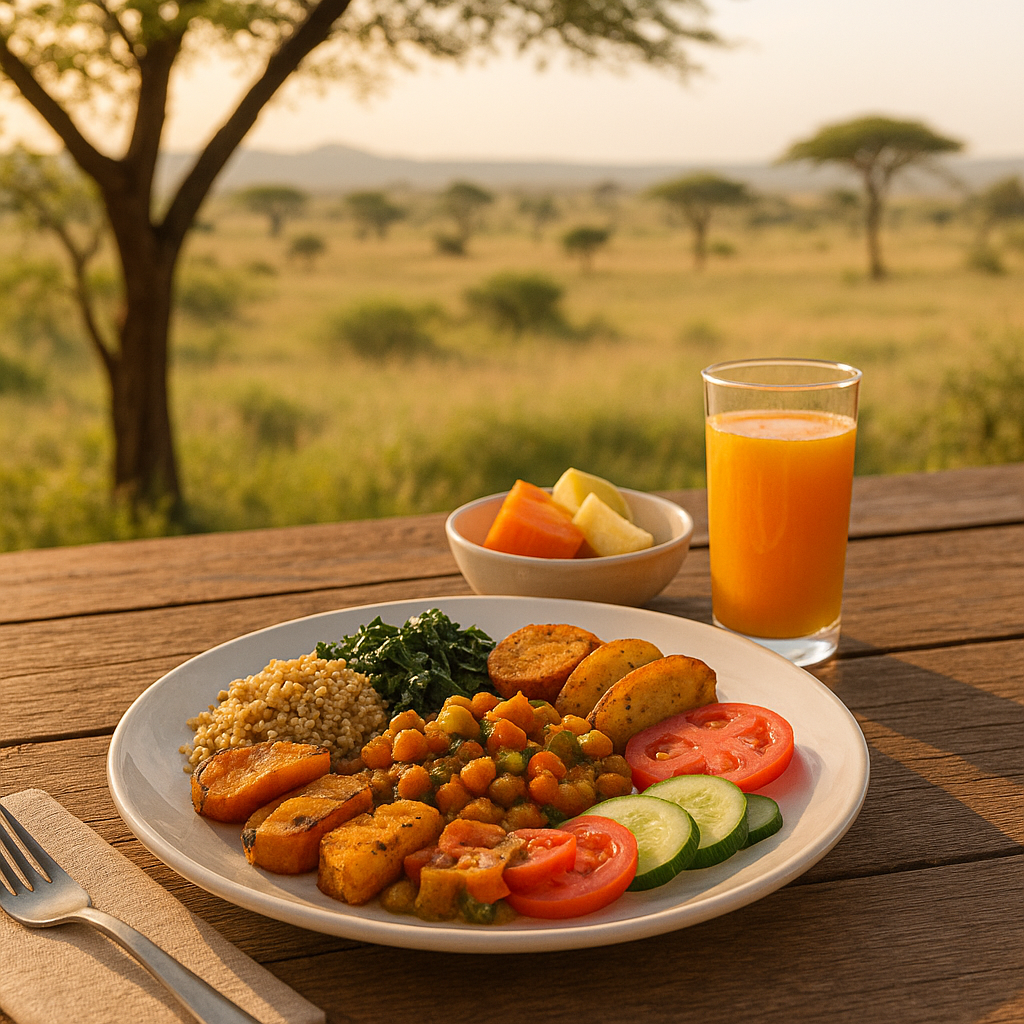
Table of Contents
-
Introduction: Can You Travel Tanzania with Special Diets?
-
Vegetarian, Vegan & Gluten-Free Options on Safari
-
Lodge & Camp Kitchen Standards
-
Tips for Travelers with Dietary Restrictions
-
Common Local Dishes That Fit Special Diets
-
What to Inform Your Safari Operator
-
Final Advice for a Stress-Free Food Experience
1. Introduction: Can You Travel Tanzania with Special Diets?
Absolutely! Whether you’re vegan, vegetarian, gluten-free, or observing specific religious or health-based food choices, Tanzania’s safari camps and lodges have come a long way in accommodating dietary needs. With proper planning, your safari can be both unforgettable and satisfying — on and off the plate.
2. Vegetarian, Vegan & Gluten-Free Options on Safari
Most mid-range and luxury lodges in Tanzania offer diverse menus that cater to special diets. Vegetarian meals are standard, while vegan and gluten-free options are available with advance notice. Many chefs have international training and understand food allergies and lifestyle preferences.
You can expect:
-
Fresh vegetables, grains, and legumes
-
Plant-based proteins (lentils, beans, chickpeas)
-
Fruit platters and healthy snacks
-
Gluten-free bread or pasta options (with request)
3. Lodge & Camp Kitchen Standards
Camps and safari lodges are often located in remote areas, but many have top-tier kitchens. Meals are usually prepped from scratch using fresh ingredients delivered daily or weekly. The staff is well-versed in customizing meals — just inform them in advance.
Most properties can also handle:
-
Kosher-style (not strictly certified)
-
Halal (especially in Muslim-majority areas)
-
Nut-free or low-sugar diets
-
Lactose intolerance and celiac requirements
4. Tips for Travelers with Dietary Restrictions
-
Notify your tour operator early. Mention your dietary needs during booking.
-
Bring snacks. Carry protein bars or substitutes for long drives or hikes.
-
Use translation cards. For clarity in rural areas, carry a card in Swahili explaining your restrictions.
-
Check with your lodge. Confirm they’ve received and understood your food preferences.
-
Be flexible. Some remote areas may have limited alternatives, but effort is always made.
5. Common Local Dishes That Fit Special Diets
Tanzania offers many naturally vegetarian-friendly dishes. Some examples include:
-
Maharage ya nazi – Beans cooked in coconut milk
-
Wali wa nazi – Coconut rice
-
Chapati & mboga – Flatbread with vegetable stews
-
Kachumbari – Tomato and onion salad
-
Ndizi za kupika – Steamed or fried plantains
-
Uji wa ulezi – Millet porridge (can be gluten-free)
6. What to Inform Your Safari Operator
When booking, clearly mention:
-
Your full list of restrictions (allergy vs. preference)
-
How strict you are (e.g., vegan but okay with honey?)
-
Any emergency foods or medications you travel with
-
Whether you’re bringing personal snacks or supplements
This helps them alert lodges, plan shopping lists, and brief the camp chefs.
7. Final Advice for a Stress-Free Food Experience
Food is a key part of travel, and Tanzania’s tourism professionals are trained to ensure you enjoy every meal. A little preparation goes a long way. With BeMySafari, your comfort — from wildlife to your dinner plate — is always a priority.



